

Investing in Healthcare Stocks: What to Know sets the stage for this enthralling narrative, offering readers a glimpse into a story that is rich in detail with casual formal language style and brimming with originality from the outset.
Healthcare stocks have long been a favored choice for investors seeking both financial growth and stability. Understanding the intricacies of this sector can lead to informed decisions that potentially yield significant returns.
Overview of Healthcare Stocks
Healthcare stocks are shares of companies within the healthcare industry, including pharmaceutical companies, biotechnology firms, medical device manufacturers, hospitals, and healthcare providers. These stocks are popular among investors due to the consistent demand for healthcare services regardless of economic conditions, as well as the potential for innovation and growth within the sector.
Key Factors Driving Healthcare Stocks Performance
- Regulatory Environment: Changes in healthcare regulations can significantly impact the profitability of healthcare companies.
- Research and Development: Advances in medical research and development can lead to breakthrough treatments and technologies, driving stock prices.
- Demographics: Aging populations and increasing healthcare needs globally contribute to the growth of the healthcare sector.
Potential Benefits and Risks of Investing in Healthcare Stocks
Investing in healthcare stocks can offer several benefits, such as:
- Defensive Nature: Healthcare stocks tend to be less volatile than other sectors, providing stability during market downturns.
- Growth Opportunities: The healthcare industry is constantly evolving, creating opportunities for significant growth and innovation.
However, there are also risks associated with investing in healthcare stocks:
- Regulatory Risks: Changes in regulations can impact healthcare companies' operations and profitability.
- Competition: The healthcare sector is highly competitive, with new entrants and technological advancements posing challenges to existing companies.
Factors Influencing Healthcare Stocks
Regulatory changes, technological advancements, and market trends all play a significant role in shaping the performance of healthcare stocks.
Impact of Regulatory Changes
Regulatory changes, such as new healthcare policies or legislation, can have a direct impact on healthcare stocks. For example, stricter regulations on drug pricing or approvals can affect pharmaceutical companies' stock prices. Investors closely monitor regulatory developments to assess potential risks and opportunities in the healthcare sector.
Role of Technological Advancements
Technological advancements, such as advancements in telemedicine, AI-driven diagnostics, or precision medicine, are transforming the healthcare industry. Companies that innovate and adopt these technologies are likely to see growth in their stock prices. Investors often look for healthcare stocks of companies at the forefront of technological innovation.
Market Trends in Healthcare Stocks
Market trends, such as aging populations, increasing healthcare expenditures, or global health crises like pandemics, can significantly influence healthcare stock performance. Companies that cater to these trends, such as those focusing on senior care or infectious disease treatments, may experience increased demand and stock price appreciation.
How to Evaluate Healthcare Stocks
When considering investing in healthcare stocks, it is essential to evaluate the financial health of the companies you are interested in. Analyzing key metrics and utilizing different valuation techniques can help you make informed investment decisions.
Evaluating Financial Health
Before investing in healthcare stocks, it is crucial to assess the financial health of the companies. This can be done by examining financial statements, such as balance sheets, income statements, and cash flow statements. Look for consistent revenue growth, strong profit margins, and healthy cash flow.
Key Metrics to Consider
- Revenue Growth: A steady increase in revenue over time indicates a company's ability to generate sales and expand its business.
- Profit Margins: Analyzing profit margins helps evaluate how efficiently a healthcare company is operating and managing its costs.
- Debt Levels: High levels of debt can be a red flag, so it's important to assess a company's debt-to-equity ratio and overall debt burden.
- R&D Investment: Research and development spending can indicate a company's commitment to innovation and future growth.
Valuation Techniques
There are various valuation techniques used to assess healthcare stocks, including:
- Price-to-Earnings Ratio (P/E): This ratio compares a company's stock price to its earnings per share, helping investors gauge how much they are paying for each dollar of earnings.
- Discounted Cash Flow (DCF): DCF analysis estimates the present value of a company's future cash flows, taking into account the time value of money.
- Comparative Analysis: Comparing a healthcare company's valuation metrics to its industry peers can provide insights into its relative value.
Diversification Strategies in Healthcare Stock Investing
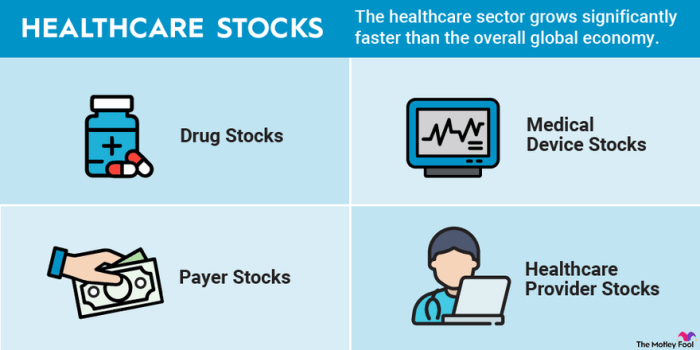
Investing in healthcare stocks can be a lucrative venture, but it also comes with inherent risks. One way to mitigate these risks is by diversifying your healthcare stock portfolio. Diversification involves spreading your investments across different sectors within the healthcare industry, reducing the impact of any one sector's performance on your overall portfolio.
Different Healthcare Sectors for Diversification
- Pharmaceutical Companies
- Biotechnology Firms
- Healthcare Equipment and Supplies
- Healthcare Services Providers
Diversifying across these sectors can help protect your investments from sector-specific risks.
Reducing Risk through Diversification
By diversifying your healthcare stock portfolio, you spread out your investment risk. For example, if one sector experiences a downturn, the performance of other sectors may help offset those losses. This can lead to a more stable and balanced portfolio overall.
Final Wrap-Up

In conclusion, Investing in Healthcare Stocks: What to Know sheds light on the complexities and opportunities within this investment realm. Armed with the knowledge shared here, investors can navigate the healthcare stock market with confidence and strategic foresight.
Question Bank
What are some common risks associated with investing in healthcare stocks?
Common risks include regulatory changes impacting the sector, clinical trial failures, and healthcare policy shifts that may affect stock prices.
How can one assess the financial health of a healthcare company before investing?
Methods like analyzing revenue growth, profit margins, debt levels, and cash flow can provide insights into the financial stability of a healthcare company.
Why is diversification important in a healthcare stock portfolio?
Diversification helps spread risk across different sectors within healthcare, reducing the impact of negative events in one area on the entire portfolio.

