

Embark on a journey through The Legal Marketer’s Guide to and PPC, where we delve into the crucial role of these strategies in the digital marketing landscape for law firms. From understanding the basics to integrating advanced techniques, this guide aims to equip legal marketers with the tools to effectively reach their target audience and enhance online visibility.
Introduction to and PPC for Legal Marketers
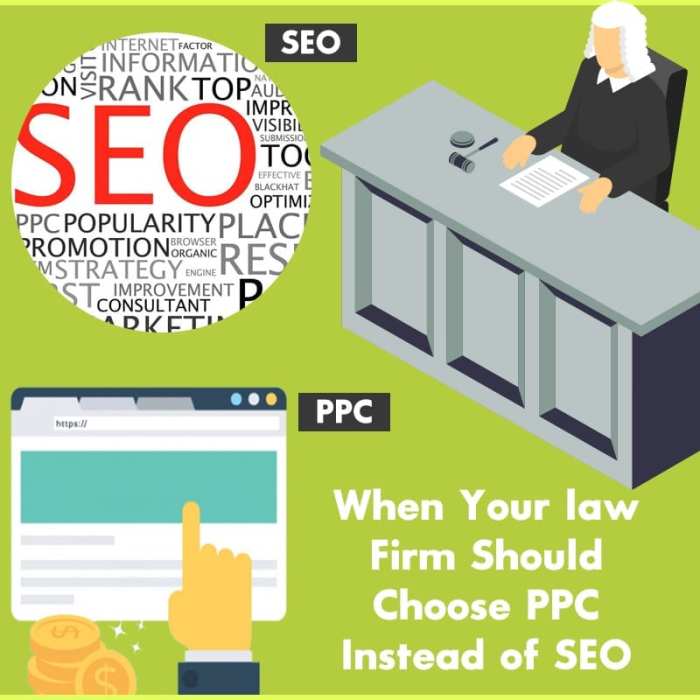
(Search Engine Optimization) and PPC (Pay-Per-Click) are crucial components of digital marketing for law firms. These strategies play a significant role in enhancing online visibility, driving traffic to law firm websites, and ultimately attracting potential clients.
Role of and PPC in Digital Marketing
involves optimizing a website's content and structure to rank higher in search engine results, making it more likely to be seen by users searching for legal services. On the other hand, PPC allows law firms to display ads on search engines or websites and pay only when users click on them.
- and PPC work hand in hand to increase a law firm's online presence and attract relevant traffic.
- helps in generating organic traffic over time, while PPC offers immediate visibility through paid advertisements.
- Both strategies are essential for legal marketers to effectively target potential clients and stay ahead of the competition.
Incorporating and PPC in Marketing Plans
Integrating and PPC strategies into a law firm's marketing plan is crucial for achieving long-term success in the digital landscape.
- helps in building credibility and trust with potential clients by providing valuable and informative content.
- PPC allows law firms to target specific s and demographics, ensuring that their ads reach the right audience at the right time.
- By combining and PPC efforts, legal marketers can maximize their online visibility, drive quality traffic to their website, and ultimately convert leads into clients.
Understanding for Legal Marketers
, or search engine optimization, is crucial for legal marketers looking to enhance their online presence and attract potential clients. By optimizing their websites and content for search engines, legal professionals can increase visibility and reach a wider audience. Here, we will explore the basic concepts of and how they can be applied specifically to the legal industry.
Key Techniques for Legal Marketers
- Research: Identify relevant s and phrases that potential clients may use when searching for legal services. Incorporate these s strategically into website content.
- Quality Content Creation: Develop informative and engaging content that addresses common legal questions and concerns. This can help establish authority and attract organic traffic.
- On-Page Optimization: Optimize meta titles, descriptions, and headers to make it easier for search engines to understand the content of your website pages.
- Local : Target local s and phrases to attract clients in specific geographic areas. Ensure your business is listed accurately on online directories and maps.
Importance of Website Optimization
Optimizing website content and metadata for search engines is essential for legal marketers to rank higher in search results and attract relevant traffic. By following best practices, legal professionals can increase their online visibility and connect with potential clients who are actively seeking legal services.
Implementing PPC Campaigns for Law Firms
PPC advertising, or pay-per-click advertising, is a digital marketing strategy where advertisers pay a fee each time their ad is clicked. This model allows law firms to drive traffic to their websites and generate leads by targeting specific s related to their legal services.
Implementing PPC campaigns for law firms can have several benefits, including:
- Increased visibility: PPC ads appear at the top of search engine results, increasing the chances of potential clients clicking on your ad.
- Targeted reach: Law firms can target specific geographic locations and demographics to reach their ideal clients.
- Measurable results: PPC campaigns provide detailed analytics and insights, allowing firms to track the effectiveness of their ads and make data-driven decisions.
Examples of Successful PPC Campaigns in the Legal Sector
Several law firms have successfully utilized PPC advertising to attract clients
Another successful PPC campaign was conducted by a family law firm that targeted local s related to divorce and child custody. By optimizing their ad copy and landing pages, they were able to convert clicks into consultations and new clients.
Setting Up and Managing PPC Campaigns for Legal Services
The process of setting up and managing PPC campaigns for legal services involves several steps:
- Research:Identify relevant s that potential clients may use to search for legal services.
- Ad Creation:Craft compelling ad copy that highlights the firm's unique selling points and encourages clicks.
- Landing Page Optimization:Create landing pages that are tailored to the ad content and designed to convert visitors into leads.
- Monitoring and Optimization:Continuously monitor the performance of the PPC campaigns, make adjustments based on data, and optimize for better results.
Integrating and PPC Strategies
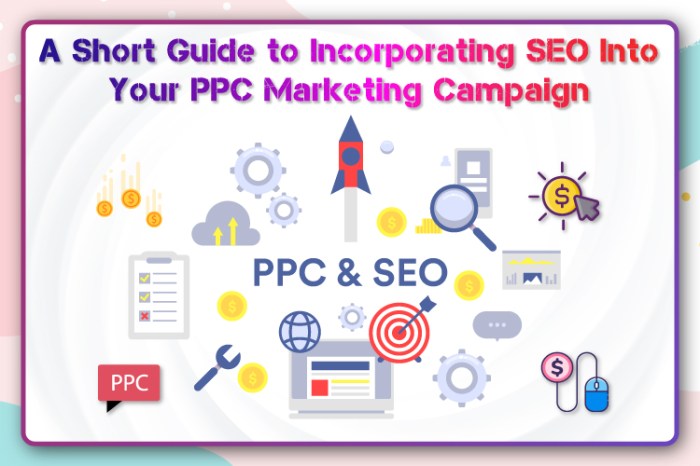
Integrating (Search Engine Optimization) and PPC (Pay-Per-Click) strategies can significantly enhance a legal marketer's digital marketing efforts by combining the strengths of both organic and paid traffic sources.
Synergy between and PPC
When and PPC strategies are integrated, they work together to maximize visibility and drive traffic to a law firm's website. Organic search traffic from helps establish credibility and long-term online presence, while paid traffic from PPC provides immediate visibility and targeted reach.
- focuses on optimizing website content, meta tags, and backlinks to improve organic search rankings over time.
- PPC allows legal marketers to bid on s and create targeted ads that appear at the top of search engine results pages, driving immediate traffic to the website.
- Together, and PPC can cover a wider range of search queries and increase the chances of attracting qualified leads to the law firm's website.
Balancing and PPC Efforts
It is essential for legal marketers to strike a balance between and PPC efforts to achieve maximum results and cost-effectiveness.
- Allocate budget effectively: Determine the right mix of and PPC spending based on the firm's goals, competition, and target audience.
- Coordinate s: Align research with PPC targeting to ensure consistency and maximize visibility across both channels.
- Track and analyze data: Monitor the performance of and PPC campaigns using analytics tools to identify opportunities for optimization and improvement.
- Optimize landing pages: Create landing pages that are optimized for both and PPC to provide a seamless user experience and improve conversion rates.
Conclusion
In conclusion, The Legal Marketer’s Guide to and PPC underscores the significance of a well-rounded digital marketing strategy for law firms. By combining the power of and PPC, legal marketers can optimize their online presence and attract valuable traffic to their websites.
Stay ahead of the competition by leveraging these dynamic strategies for maximum impact in the ever-evolving digital world.
Frequently Asked Questions
How can benefit legal marketers?
can enhance online visibility, attract organic traffic, and improve search engine rankings for law firms.
What are some key PPC benefits for law firms?
PPC offers immediate visibility, targeted advertising, and control over budget allocation for legal services.
How can legal marketers effectively balance and PPC efforts?
Legal marketers can achieve balance by aligning s, targeting specific audiences, and monitoring campaign performance regularly.

