


Exploring the top factors driving the strength of JPM stock price in 2025, this introduction sets the stage for a detailed examination of the key elements shaping the company's financial performance and market position.
Highlighting recent trends and strategic moves that have kept JPM's stock price resilient, this analysis aims to provide valuable insights into the future trajectory of this financial powerhouse.
Factors contributing to JPM stock price strength
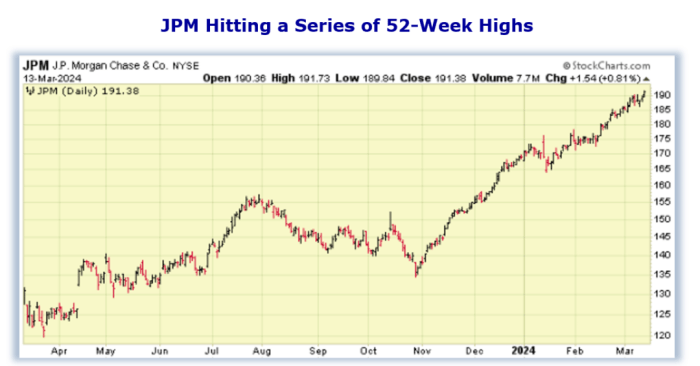
JPMorgan Chase & Co. (JPM) has demonstrated a consistent track record of financial performance in recent years, which has played a significant role in maintaining the strength of its stock price.
Overview of JPM’s financial performance
- JPM has consistently reported strong earnings, driven by its diverse revenue streams from investment banking, asset management, and consumer banking.
- The company has effectively managed its expenses and maintained healthy margins, enhancing investor confidence in its financial stability.
- JPM's robust balance sheet and capital position have provided a solid foundation for growth and resilience in the face of economic uncertainties.
Impact of market trends on JPM stock price
- Market trends, such as interest rate fluctuations and regulatory changes, have influenced JPM's stock price performance.
- JPM's ability to adapt to changing market conditions and capitalize on opportunities has been key in driving its stock price higher.
- The company's strategic initiatives to expand its digital banking services and focus on innovation have resonated well with investors, contributing to the stock's strength.
Major acquisitions or partnerships influencing JPM’s stock value
- JPM's strategic acquisitions, such as the integration of Bear Stearns and Washington Mutual during the financial crisis, have bolstered its market position and contributed to stock price growth.
- The company's partnerships with leading technology firms to enhance its digital capabilities have attracted investors seeking exposure to the fintech sector, further supporting JPM's stock price.
- JPM's expansion into new markets and sectors through strategic acquisitions and partnerships has diversified its revenue streams and increased its competitiveness, positively impacting its stock value.
Strengths of JPM as a company
JPMorgan Chase & Co. (JPM) boasts a number of strengths that contribute to its status as a leading financial institution and help maintain its stock price stability.
Competitive Advantages in the Financial Sector
JPMorgan has a strong competitive position in the financial sector due to its diversified business model, extensive global reach, and solid reputation. The company's ability to offer a wide range of financial services, including investment banking, asset management, and commercial banking, gives it a competitive edge over its peers.
Revenue Streams and Diversification Strategies
JPMorgan's revenue streams are well diversified across different business segments, which helps mitigate risks and ensure consistent earnings growth. The company's strategic focus on expanding its presence in key markets and investing in innovative technologies also contributes to its revenue diversification and long-term growth prospects.
Leadership and Management
The leadership and management team at JPMorgan, led by CEO Jamie Dimon, is widely respected for their strategic vision, risk management expertise, and commitment to delivering value to shareholders. Under their guidance, JPMorgan has navigated through turbulent market conditions and regulatory challenges, demonstrating strong leadership that inspires investor confidence.
Market positioning and global presence
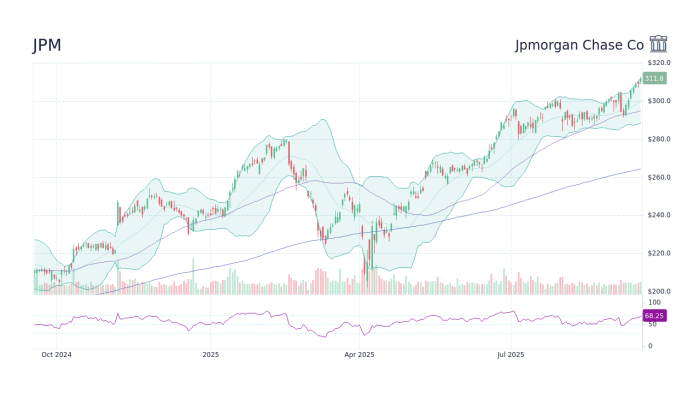
In the competitive landscape of the financial sector, JPMorgan Chase (JPM) holds a strong market positioning compared to its competitors. The company's diversified business model, robust financial performance, and comprehensive range of products and services have solidified its position as a leading financial institution globally.
JPM’s Strong Presence in Key Regions
- JPMorgan Chase has a significant presence in the United States, where it is one of the largest and most well-established banking institutions. Its dominance in the U.S. market contributes significantly to its overall strength and stability.
- Additionally, JPMorgan has strategically expanded its operations in key international markets such as Europe, Asia, and Latin America. This global presence not only diversifies its revenue streams but also allows the company to capitalize on growth opportunities in emerging markets.
Impact of Global Economic Conditions
- Global economic conditions play a crucial role in influencing JPM's stock performance. The company's exposure to different regions and economies means that fluctuations in global economic indicators such as GDP growth, interest rates, and inflation can impact its profitability and stock price.
- Moreover, JPMorgan's ability to navigate and adapt to changing economic landscapes, geopolitical uncertainties, and regulatory environments positions it as a resilient and adaptive player in the global financial market.
Technological innovations and digital transformation
In today's rapidly evolving digital landscape, technological innovations play a crucial role in shaping the success of companies like JPMorgan Chase (JPM). By investing in cutting-edge technology and digital platforms, JPM has been able to stay ahead of the curve and adapt to changing market dynamics.
JPM’s investments in technology and digital platforms
- JPM has allocated significant resources towards enhancing its digital banking capabilities, offering customers a seamless and convenient banking experience.
- The company has also focused on developing innovative fintech solutions, such as mobile banking apps and online investment platforms, to cater to the changing needs of customers.
- JPM has made strategic acquisitions of technology companies to bolster its digital offerings and stay competitive in the market.
Impact of technological advancements on JPM’s stock price
- The implementation of advanced technologies has increased operational efficiency within JPM, leading to cost savings and improved profitability, which positively impacts the company's stock price.
- Technological innovations have allowed JPM to better engage with customers, offer personalized services, and drive customer loyalty, ultimately boosting its stock value.
- Investor confidence in JPM's ability to innovate and leverage technology for growth has contributed to the overall strength of its stock price.
Customer adoption of digital services and its influence on stock value
- As more customers embrace digital banking services, JPM has seen an increase in deposits, transactions, and overall customer engagement, leading to higher revenues and a more attractive stock price.
- The convenience and accessibility of JPM's digital platforms have attracted a broader customer base, driving growth and enhancing the company's market position.
- Customer satisfaction with JPM's digital offerings has translated into greater brand loyalty and advocacy, further supporting the company's stock price stability and growth potential.
Regulatory environment and compliance
The regulatory environment and compliance play a crucial role in the financial industry, impacting companies like JPMorgan Chase (JPM) significantly. Let's delve into the key regulations affecting JPM and how their compliance measures contribute to stock price stability.
Key regulations affecting JPM
- JPM is subject to regulations such as the Dodd-Frank Act, which aims to prevent another financial crisis by increasing transparency and accountability in the banking sector.
- The Volcker Rule prohibits banks from engaging in certain speculative activities, limiting their ability to take on excessive risks that could jeopardize their stability.
- Anti-money laundering regulations require JPM to implement robust processes to detect and prevent financial crimes, ensuring the integrity of their operations.
Impact of compliance measures on stock price stability
- JPM's strong compliance measures help build trust with investors and regulators, reducing the likelihood of costly fines or legal issues that could negatively impact the stock price.
- By adhering to regulations, JPM demonstrates a commitment to ethical business practices, attracting socially responsible investors who value transparency and integrity.
- Investors tend to view companies with solid compliance records as less risky, leading to increased confidence in the stock and potentially higher valuations.
Recent regulatory changes and impact on JPM’s stock performance
- Recent changes in regulations, such as amendments to the Volcker Rule or updates to anti-money laundering laws, can impact JPM's operations and profitability.
- Changes in regulatory requirements may necessitate investments in compliance technology or additional staff, affecting JPM's expenses and bottom line.
- Uncertainty around regulatory changes can create volatility in JPM's stock price as investors assess the potential implications on the company's future performance.
Epilogue
In conclusion, the enduring strength of JPM stock price in 2025 can be attributed to a combination of robust financial performance, strategic market positioning, innovative technological advancements, and a strong regulatory compliance framework. As investors navigate the ever-changing landscape of the financial sector, understanding these key reasons can provide a solid foundation for informed decision-making.
Expert Answers
What are the main factors contributing to JPM stock price strength?
The main factors include JPM's solid financial performance, market trends impact, major acquisitions, and strategic partnerships.
How does JPM's leadership and management contribute to its stock price stability?
JPM's leadership plays a crucial role in maintaining stock price stability through effective decision-making and strategic vision.
What regions does JPM have a strong presence in, and how does it impact stock price?
JPM has a strong presence in key regions like North America and Europe, which positively impact its stock price due to diversified market exposure.
How have technological advancements influenced JPM's stock price?
Technological innovations have positively impacted JPM's stock price by enhancing operational efficiency and customer engagement.
What recent regulatory changes have affected JPM's stock performance?
Recent regulatory changes in the financial industry have influenced JPM's stock performance, highlighting the importance of compliance measures for stability.